



Running a moving company has never been simple, but the tools available to manage one have changed dramatically.
Not long ago, dispatchers relied on whiteboards, sales teams tracked leads in spreadsheets, and warehouse staff counted inventory by hand. Today, that patchwork approach is quietly costing companies time, money, and customers.
The moving industry has always been operationally complex — juggling leads, estimates, crews, warehouses, and billing across multiple departments that rarely talk to each other.
Every disconnected tool creates a handoff, and every handoff is a chance to lose a detail, miss a booking, or duplicate work someone already completed.
This post explores how forward-thinking moving companies are consolidating their operations, the specific problems fragmented systems create, and what to look for when evaluating a platform built for this industry.
Whether you’re running a single-truck local operation or managing a multi-branch international network, the way you manage your business directly shapes how much of it you keep.
What’s Really Costing Moving Companies Money?
Most moving companies don’t lose revenue from a single catastrophic failure. They lose it in small increments, spread across dozens of daily transactions.
Consider a typical setup: one tool captures leads, another builds estimates, a whiteboard handles dispatch, texts coordinate the crew, and a spreadsheet tracks the warehouse.
The accountant works from an entirely separate system. None of these tools share information automatically.
This fragmentation creates predictable problems:
- Lost bookings when leads fall through the cracks between systems
- Missing details when information typed into one tool never makes it to the next
- Missed jobs when dispatch relies on a whiteboard instead of real-time data
- Double data entry when accounting and CRM systems don’t sync
- Wasted staff hours re-entering the same customer and move details multiple times
Each of these issues seems minor in isolation. Together, they represent a significant drag on profitability and one of the most overlooked moving business solutions gaps in the industry.
How Does Unified Software Improve Daily Operations Management?
The alternative to disconnected tools is a single system where every department — sales, dispatch, warehouse, and accounting — works from the same source of truth, updated in real time.
This shift changes how a moving company actually functions day to day:
- Customer and move details are entered once, then automatically populate forms, quotes, and estimates
- Dispatch teams see live crew and truck availability instead of relying on a static whiteboard
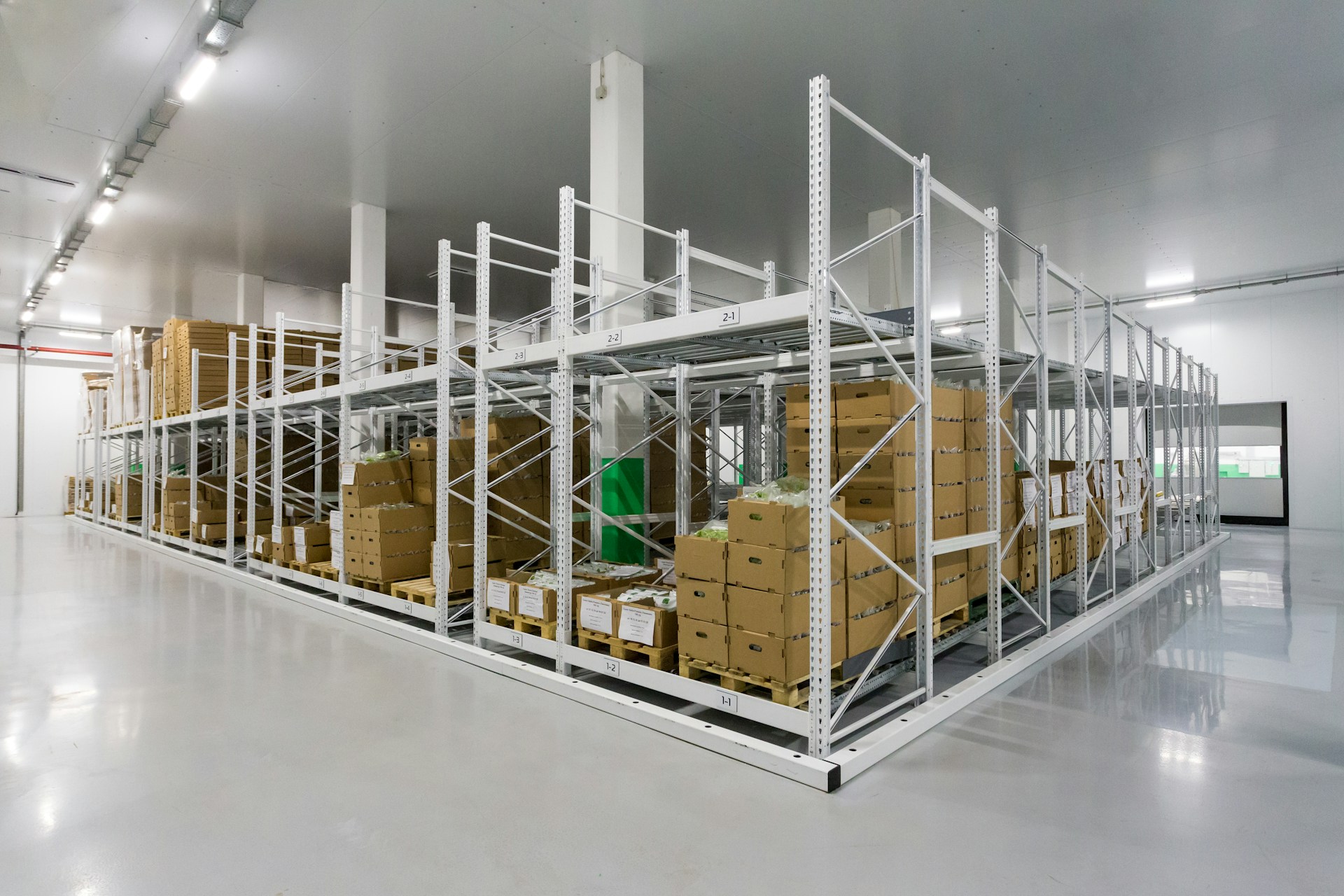
- Warehouse staff track capacity and incoming shipments as they happen, not after the fact
- Sales and operations teams stop chasing each other for updates because the information is already shared
Effective operations management depends on visibility. When every department can see the same data at the same time, fewer details slip through, and staff spend less time reconciling information and more time serving customers.
Where Does AI Fit Into Moving Company Software?
Artificial intelligence has moved from novelty to necessity in operational software, and moving companies are no exception. EDC-MoveStar®, for example, includes a built-in AI called MERCED™ that dispatches crews, answers calls, reads weight tickets, and answers questions about company data.
What sets this kind of AI apart is where the data lives. Many AI tools route customer and business information through third-party servers. MERCED™ was built in-house specifically for the moving industry, which means business and customer data never leave the system.
Practical applications of AI in this context include:
- Smart dispatching that matches the right crew and truck to each job based on real-time capacity
- Automated communication, including answering calls and drafting emails
- Document processing, such as reading and interpreting weight tickets
- Data insights, allowing staff to ask questions about their own operational data and get immediate answers
This isn’t AI for its own sake. It’s AI applied to the specific, repetitive tasks that consume hours of staff time every week.
Why Does Logistics Software Need to Cover the Entire Move Lifecycle?
A move doesn’t happen in one step. It begins with a lead, moves through a survey and estimate, proceeds to scheduling and dispatch, continues through transport and warehousing, and ends with invoicing and revenue reporting.
Logistics software that only handles part of this lifecycle forces companies right back into the disconnected-tools problem they’re trying to escape.
A complete system should follow the move from start to finish:
- Lead capture from every source, with automatic follow-up
- Surveys and estimates conducted by phone, video, or on-site visit
- Scheduling and dispatch based on real crew and equipment availability
- Warehouse tracking for capacity, incoming shipments, and stored inventory
- Financial close-out, including job costing, revenue distribution, and payroll
- Reporting that turns daily activity into clear performance insights
This end-to-end coverage matters because it eliminates the gaps where information typically gets lost. It also means companies don’t need to migrate to new software as they grow — adding military work, international moves, storage services, or a new branch happens within the same system rather than requiring a fresh start.
How Does Connected Software Improve Supply Chain Coordination?
Moving companies rarely operate in isolation. Agents, van lines, carriers, and partners all play a role in completing a job, and coordination between these parties has traditionally relied on phone calls, emails, and manual status updates.
Connected moving management software changes this dynamic by syncing move, claims, billing, and survey updates automatically across partner networks.
When everyone works from the same information, there’s no need for status calls, no chasing paperwork, and no re-entering the same job into multiple systems.
The scale of this kind of connectivity is significant. Networks like GOgistiX® have processed millions of automated data exchanges and claims, along with tens of millions of alerts and notifications delivered across partner systems.
That level of integration reflects an industry shifting away from manual coordination toward real-time, automated collaboration.
What Should Moving Companies Look for When Choosing a Software Partner?
Not all moving business solutions are built with the same depth of industry knowledge. A platform designed by people who understand how moves actually work — the surveys, the crew logistics, the warehouse handoffs, the claims process — behaves differently than generic business software adapted for the industry.
When evaluating a potential system, moving companies should consider:
- Industry longevity: Has the provider spent years — not just months — learning how moves actually happen?
- Data privacy: Does the AI keep business and customer information in-house, or does it route through third parties?
- Scalability: Can the system handle growth into new service lines or regions without requiring a full migration?
- Partner connectivity: Does the software already connect to the agents, van lines, and carriers the company works with?
- Support quality: Do support representatives understand the moving industry, or are they learning it alongside the customer?
These factors separate software built specifically for moving companies from tools that simply claim to be industry-ready.
Bringing It All Together
Fragmented systems create fragmented results. Every disconnected tool — every whiteboard, spreadsheet, and standalone app — introduces another opportunity for details to fall through the cracks and revenue to quietly slip away.
Companies that consolidate their sales, dispatch, warehouse, and accounting functions into a single connected system gain more than convenience.
They gain visibility across every department, faster response times, and a foundation that scales as the business grows into new service lines or regions.
For moving companies ready to move beyond disconnected tools, exploring a dedicated moving management software platform is a practical next step. Seeing how a unified system handles leads, dispatch, warehousing, and billing in real time makes the difference between fragmented operations and a business built to grow.
