



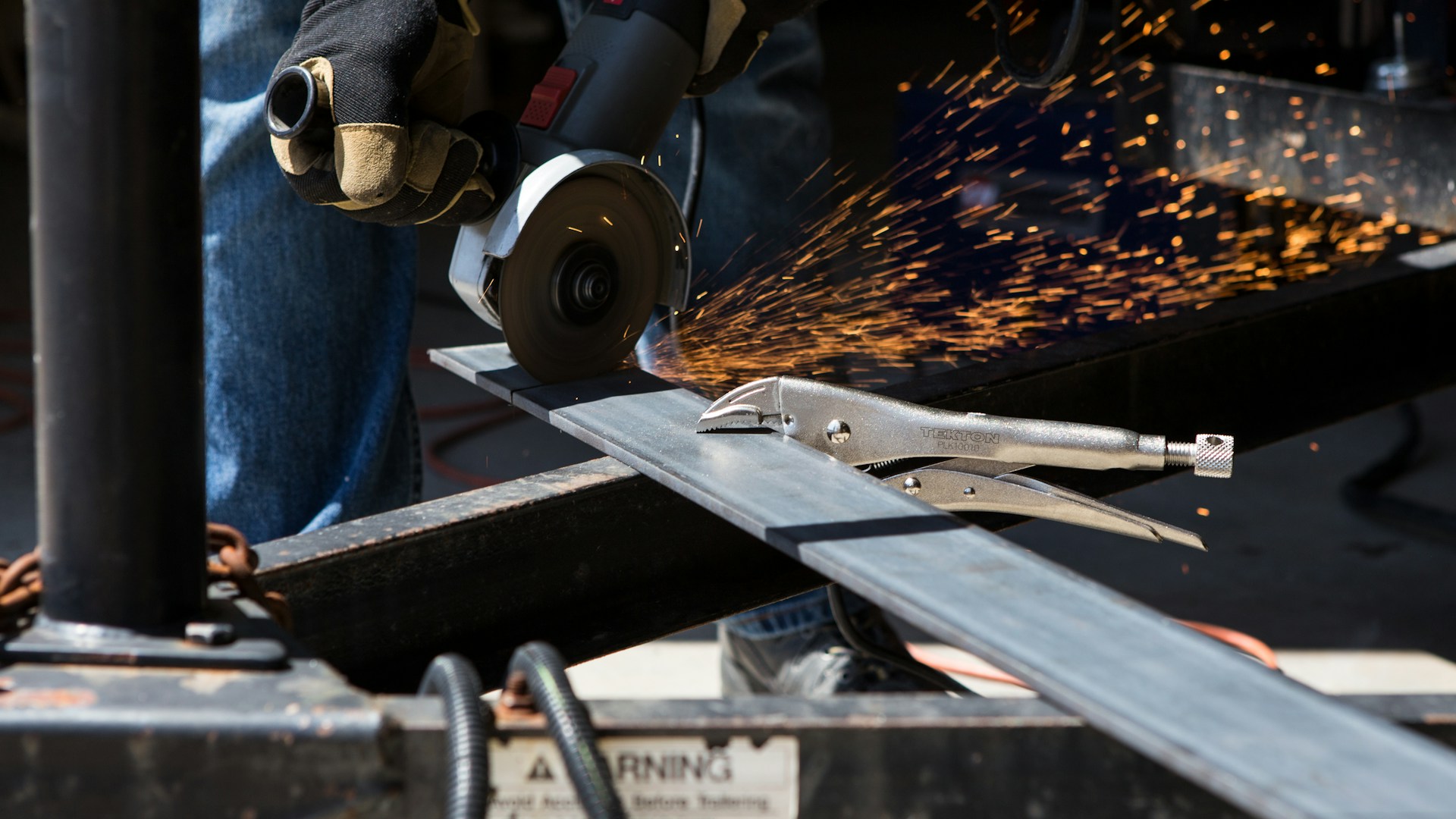
Every successful construction or manufacturing project begins with a single, crucial step. You need a reliable, accurate cut to lay the foundation for the work that follows. Poorly cut materials lead to wasted resources, increased labor time, and structural inconsistencies.
Professionals know that using subpar equipment simply is not an option when deadlines are tight and quality standards are high.
Finding the right tools can feel overwhelming given the sheer number of options on the market. Different materials require specific tooth designs, blade compositions, and running speeds.
Understanding how to match your equipment to your specific application is the secret to getting a smooth, clean finish.
This comprehensive overview will help you navigate your choices, ensuring you get the most out of your tools and deliver outstanding results on every job.
The Fundamentals of Flawless Metal Cutting
Successful metal cutting requires a strategic approach, especially when dealing with tough materials like steel and aluminum. Choose the wrong tool for the job, and you risk ruining both your blade and your workpiece.
Understanding Material Hardness
The first step is identifying the exact composition of what you are trying to cut. Aluminum behaves very differently from stainless steel or solid billets. Harder metals generate significantly more heat and friction.
You need blades engineered to withstand these extreme conditions without losing their edge or warping under pressure. Using standard carbon blades on exotic alloys will result in immediate failure.
Heat Management Techniques
Friction is the enemy of any cutting tool. Excessive heat dulls teeth rapidly and can alter the structural integrity of your workpiece. Advanced blades feature specialized coatings or carbide tips to dissipate heat effectively.
You must also pay attention to your feed rate and cutting speed. Pushing a tool too hard generates unnecessary heat, while moving too slowly can cause the blade to rub instead of slice.
Navigating Your Options: A Quick Saw Blade Guide
Choosing the right blade can make or break your project. To help you tackle your next job with confidence, we created this saw blade guide to break down the go-to tools used by industry professionals.
The Power of Circular Blades
Circular saws are the backbone of many metalworking shops. Blades like the Metal Devil series use cermet or carbide teeth to slice through thin steel and aluminum with ease.
They leave a smooth finish that requires virtually no rework. These tools operate at high speeds, meaning you can complete your tasks faster while maintaining strict quality control.
The Versatility of Hole Saws
When you need to create precise openings for pipes, wiring, or structural components, hole saws are your best choice. Bi-metal hole saws offer flexibility and durability for general-purpose tasks.
For more aggressive jobs, carbide-tipped options provide better chip clearance and faster slug removal. They excel at cutting through fiberglass, nail-embedded wood, and heavy-duty alloys.
Tackling Tough Materials with Advanced Tooling
Standard tools often fall short when you encounter industrial-grade materials. You need robust equipment designed specifically for extreme applications.
Handling Super Alloys
Production environments frequently involve large billets of super alloys and other incredibly hard-to-cut materials.
Band saw blades equipped with carbide teeth, such as the Jawbreaker line, are built for this exact purpose. They bite into tough surfaces efficiently, reducing the time it takes to break down massive pieces of raw material.
Benefiting from Specialized Coatings
Modern blade technology utilizes advanced coatings to extend tool life. Products featuring temperature-resistant coatings maintain their sharpness longer, offering more than double the productivity of uncoated alternatives.
This means fewer blade changes, less downtime, and a more consistent workflow across your entire facility.
Achieving Maximum Efficiency on the Job Site
Time is money in any professional trade. Optimizing your cutting processes directly impacts your bottom line.
Speed and Productivity
You can significantly increase your daily output by upgrading to high-performance blades. Carbide and bi-metal tools cut faster than traditional carbon steel.
They allow you to move through materials swiftly without sacrificing accuracy. This increased speed frees up your team to focus on assembly, welding, and other critical tasks.
Minimizing Rework
A jagged, uneven cut requires extensive filing and grinding before the piece can be used. This extra labor eats into your profit margins.
Premium blades provide cool, clean cuts that are ready for immediate use. By investing in better equipment upfront, you eliminate the hidden costs associated with fixing mistakes and smoothing out rough edges.
How to Maintain Your Cutting Equipment
Even the best tools require proper care to function at their peak. Establishing a maintenance routine extends the lifespan of your investments.
Cleaning and Storage
Debris, metal shavings, and cutting fluids can build up on your blades. You should clean your tools thoroughly after every shift to prevent rust and degradation.
Store your blades in a dry, climate-controlled environment. Hanging band saw blades properly prevents twisting and micro-fractures in the metal.
Recognizing Wear and Tear
Operating a dull blade is dangerous and inefficient. You must learn to identify the early signs of tool failure. Inspect your equipment for:
- Missing or chipped teeth
- Discoloration indicating excessive heat buildup
- Unusual vibrations during operation
- An increase in the physical effort required to make a cut
Replace worn blades immediately to maintain safety and precision cutting standards.
Why American-Engineered Tools Stand Out
Sourcing your equipment from manufacturers with a proven track record guarantees reliability. Decades of engineering experience translate into superior products.
Decades of Expertise
Companies that have spent over 60 years refining their manufacturing processes understand the nuances of the industry.
They employ passionate experts who dedicate their careers to building rugged, dependable tools. This deep well of knowledge ensures that every blade produced meets rigorous performance criteria.
Stringent Quality Assurance
Domestic manufacturing facilities often utilize advanced technology to monitor quality control. Every band saw blade, reciprocating blade, and power tool accessory undergoes strict testing before it reaches your hands.
This commitment to excellence means you can trust your tools to perform flawlessly under the most demanding conditions.
Elevate Your Tool Kit Today
Consistently achieving accurate, clean cuts requires a combination of the right technique and superior equipment. By understanding your materials, choosing the correct blade, and maintaining your tools properly, you will drastically improve your operational efficiency.
Stop settling for mediocre results and upgrade your cutting arsenal. To explore a wide range of innovative tools designed for true professionals, find your solutions at mkmorse.com today.
